After the Release, the Relationship: Becoming a Church of Reentry

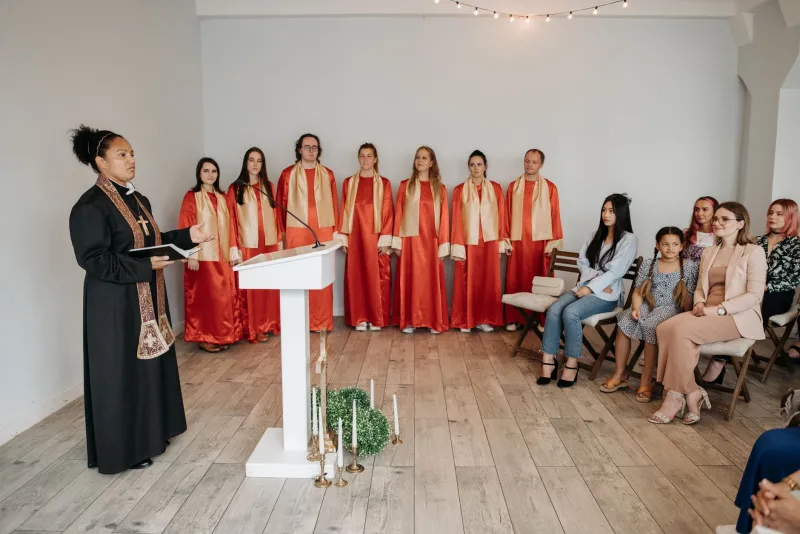
Photo: John Robert McPherson, CC BY-SA 4.0, via Wikimedia Commons
Nearly everyone leaving prison intends never to return. What they often lack is not resolve but a place to sleep, a document proving who they are, and a person who expects to hear from them next week. Congregations are unusually well positioned to supply all three — not because they have programs, but because they have people, buildings, and the habit of showing up on the same day each week.
The Neighbor Nobody Plans For
Reentry remains one of the least visible needs in most communities. The returning neighbor is rarely announced from a pulpit, and many families carry the stigma quietly. Yet the practical needs are ordinary: a state identification card, a Social Security card, a mailing address, a phone number, transportation, a lease, work. Each is attainable. The problem is that they must be attained quickly, often within weeks of release, and without a support network that most people take for granted.
What churches frequently provide is a single act of kindness at the moment of greatest need — a gas card, a bag of groceries, a referral. These gestures matter. They are not, however, reentry.
From Rescue to Relationship
Reentry differs from rescue in one essential respect: it assumes a future together. Rescue concludes when the crisis passes. Relationship continues through the setback, the missed appointment, the relapse, and the slow months in which nothing seems to be improving. A congregation that adopts reentry as a ministry is committing to a timeline measured in years, not weekends.
That shift also changes how the church behaves. It becomes a place with a named point of contact and a phone that is actually answered, rather than a series of well-meaning volunteers who each assume someone else is following up.
Housing Is the First Domino
Almost nothing else can be secured without an address. Family homes are the most common destination and the most fragile, often strained by years of separation and financial pressure. Some congregations own a parsonage or a spare room and can offer short-term transitional housing. Others do better by partnering: signing as a reference for a local sober living house, connecting with a reentry nonprofit that holds leases, or maintaining a list of landlords willing to rent to returning citizens.
Churches should be careful here. Operating an unlicensed shelter or exceeding local occupancy rules can create liability and invite municipal conflict. The safer path is a formal partnership with a housing organization, with the congregation supplying volunteers, furnishings, and rent assistance rather than operating the property alone.
Work Through Networks, Not Favors
Employment is the second domino, and the church's greatest asset is not its own payroll but its connections. Small business owners in the pews, contractors who attend the men's breakfast, the restaurant owner whose niece was in youth group — these relationships are the informal hiring network most congregations already possess. A single introduction can open a first job.
Several supports exist to make the ask easier. The Federal Bonding Program provides fidelity bonds for employers hiring applicants with records. The Work Opportunity Tax Credit offers incentives to businesses that hire from targeted groups. State and local workforce boards operate second-chance hiring initiatives, and many reentry organizations will help prepare a resume and coach an interview. A congregation can also hire directly for custodial, maintenance, grounds, or food pantry work — a modest step that signals more than any statement from a pulpit.
Family Reconciliation
The hidden cost of incarceration is paid by spouses and children. Churches can support visits and phone contact, which are expensive and often logistically out of reach, and can offer respite, tutoring, and mentoring for children with a parent inside. When a parent returns, the family may need help simply being a family again: a marriage retreat, a counselor's referral, a Sunday school class where a child is not treated as a curiosity. Care here is not sentimental. It is one of the strongest predictors of whether the household stabilizes.
Mentoring With Clear Edges
Mentoring is the heart of reentry and the part most likely to go wrong without structure. A mentor should be trained, should meet in public places or with a second adult present, should not be the sole holder of the neighbor's trust, and should never become a source of casual cash. Clear expectations, a written covenant, and regular supervision by the ministry's coordinator protect both the mentee and the volunteer. Confidentiality should be explained honestly, including its limits when someone is at risk.
Equally important is what mentors do not do: they do not demand gratitude, they do not require attendance at worship as the price of help, and they do not abandon a neighbor after a relapse. Consistency is the gift. A person who returns a phone call in the fourth month, when the initial welcome has faded and the real difficulty has set in, has done something most institutions will not.
Do Not Become Another Gatekeeper
The neighbor leaving prison has spent years navigating doors that open only for those who follow rules designed by someone else. A church can easily replicate that pattern: verification of attendance, progress reports, a list of conditions attached to grace. A congregation that refuses this will be unusual, and it will also be trusted. Services should be offered without preconditions; accountability should be relational rather than administrative; and when a neighbor fails, the response should be a conversation rather than a removal.
Start Small and Stay
A reentry ministry can begin with five to seven committed members, one trained coordinator, and a memorandum of understanding with a local reentry organization or the state's parole office. Start with two or three neighbors rather than twenty. Keep records carefully, measure what the neighbor says is working, and plan for the long year rather than the first hopeful week.
Scripture records the Lord's own measure of a life: I was in prison and you came to visit me. The visit was never meant to be the end of the story. It is the beginning of a relationship, and the church that stays for it will discover that this work, more than almost any other, resembles the ministry of Jesus himself.